
Case Study
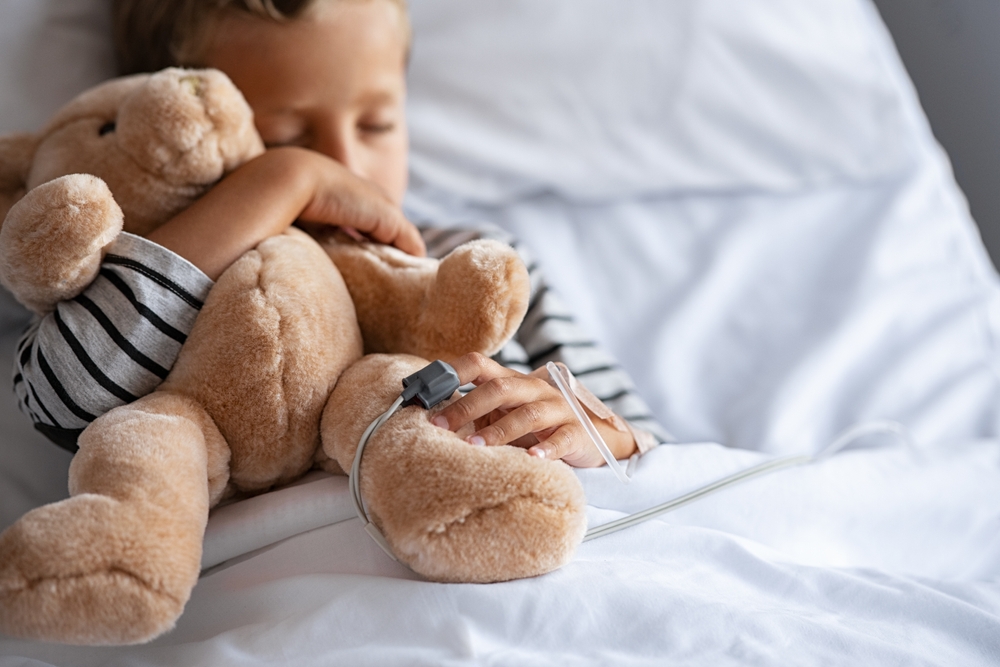
Coping with Medical Diagnosis
Young person (YP) was struggling with sleep due to anxiety about a newly diagnosed medical condition, fearing death. Mum’s sleep was also affected.
We provided six 1-hour sessions using play therapy and solution-focused techniques.
These sessions explored feelings of uncertainty, reinforced positive self-belief, and introduced coping strategies.
Read More
Case Study
Confidence & Self-Esteem
YP had low confidence and self-esteem linked to a speech impediment and family stress due to sibling’s health and behaviour.
We provided nine 1-hour sessions using creative activities, games, and confidence-building exercises.
These sessions explored family dynamics and coping strategies through therapeutic play.
Read More
Case Study
Emotional Impact of Parental Illness
N was referred to the Young Carers Service as she is emotionally affected by her Mum’s ongoing and deteriorating health. During one-to-one sessions, N spoke openly and maturely about her experiences of seeing her mum unwell. She showed a high level of awareness for her age, including recognising “red flags” in her mum’s health and understanding when to seek help.
This case highlights the significant emotional impact that parental illness can have on a young child, particularly when caring responsibilities are present. Through coordinated multi-agency working, increased school awareness, and targeted emotional support, N is now better supported both at home and in school. Ongoing intervention aims to reduce N’s emotional burden and ensure her wellbeing remains a priority.
Read More
Case Study
Planning Together for Children programme
M is a parent of two children aged 7 and 11. Following the parent’s separation, communication between them became strained and often conflict focused. Disagreements around routines, school matters and contact arrangements regularly escalated, causing distress for both parents and impacting the children’s emotional wellbeing. M felt unsure how to manage conversations constructively.
Both parents were referred to the Planning Together for Children co-parenting programme. The programme provided structured learning stages focused on understanding children’s needs after separation, improving communication, managing conflict, and developing practical co-parenting plans.
Read More
Case Study
Our Voice Service
The young person is currently in care following experiences of abuse within their family of origin. These early experiences significantly affected their sense of safety, emotional expression, and ability to trust others. The young person was referred to the Our Voice service to support emotional wellbeing, build self-understanding, and develop healthier relationship patterns.
The Our Voice service offers weekly therapeutic sessions, providing a consistent, confidential, and emotionally safe space. This regular support enables young people to explore difficult thoughts and feelings at their own pace, knowing they are listened to and supported without judgement.
Read More
Case Study
Providing respite, emotional support and socialising opportunities for young carers
We received a referral to support two siblings who help care for their 15-year-old sister following a catastrophic brain injury. Their sister now requires round-the-clock care, including assistance with daily activities, medical needs, and emotional support.
Recognising the need for external support, the family was referred to our Young Carers service through their social worker. The service offers a blend of one-to-one guidance and group activities, focusing on emotional well-being, skill-building, and fun experiences to restore balance.
Read More